We use cookies to enhance the usability of our website. If you continue, we'll assume that you are happy to receive all cookies. More information. Don't show this again.
Fields »
 

Field

Term
Gene name

Class

Subclass

Chromosome

External id

In atlas

Reliability

Reliability

Reliability

Validation

Method

Validation

Method

Validation

Method

Validation

Location

Searches

Tissue

Cell type

Expression

Tissue

Specificity

Cell line

Specificity

Cancer

Specificity

Tissue

Detectable

Cell line

Detectable

Cancer

Detectable

Cancer

Prognosis

Category

Score

Score

Score

Antibodies

Column


ABOUT
HELP
BLOG
  • THE HUMAN PROTEOME
  • THE HUMAN TISSUES
  • THE HUMAN CELL
  • HUMAN PATHOLOGY
  • PROTEIN CLASSES
  • PROTEIN EVIDENCE
    • NEWS
    • BLOG
    • EVENTS
    • PRESS ROOM
    • LEARN
    • DICTIONARY
    • METHODS
    • CELL LINES
  • THE PROJECT
  • INTRODUCTION
  • ORGANIZATION
  • PUBLICATIONS
  • PUBLICATION DATA
  • ANTIBODY SUBMISSION
  • ANTIBODY AVAILABILITY
  • LINKS
  • CONTACT
  • TECHNICAL DATA
  • ANTIBODY VALIDATION
  • ASSAYS & ANNOTATION
  • DISCLAIMER
  • DOWNLOADABLE DATA
  • HELP & FAQ
  • LICENCE & CITATION
  • PRIVACY STATEMENT
  • RELEASE HISTORY
MCM3
  • premium

    TISSUE

  • premium

    CELL

  • PATHOLOGY

PATHOLOGY ATLAS

GENE/PROTEIN

Antibody validation

Dictionary

Level of antibody staining/expression


High
Medium
Low
Not detected

GENERAL INFORMATION

Gene name

MCM3

Gene description

Minichromosome maintenance complex component 3

Protein class

Cancer-related genes
Enzymes
Plasma proteins
Predicted intracellular proteins

Predicted localization

Intracellular

Number of transcripts

5
SHOW MORE

HUMAN PROTEIN ATLAS INFORMATION

RNA category

TCGA (cancer tissue):Expressed in all
HPA (cell line):Expressed in all
HPA (normal tissue):Expressed in all

Protein evidence

Evidence at protein level

Protein expression
normal tissue

Nuclear expression in proliferating cells.

ANTIBODY IHC RELIABILITY

Data reliability
description

Antibody staining mainly consistent with RNA expression data.

Reliability score

Supported based on 3 antibodies.
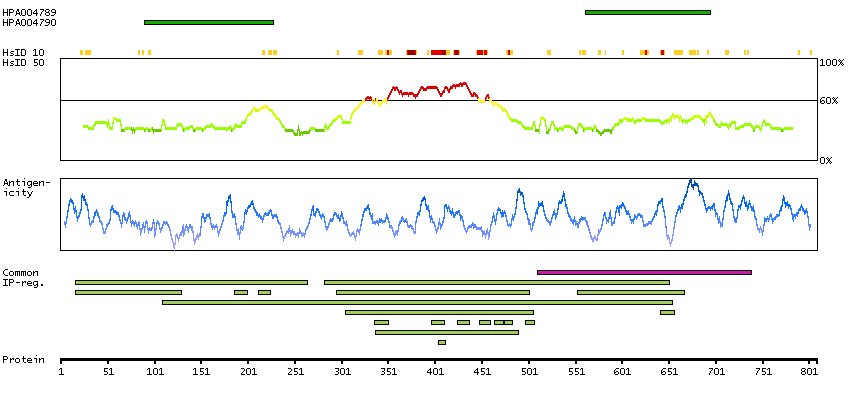
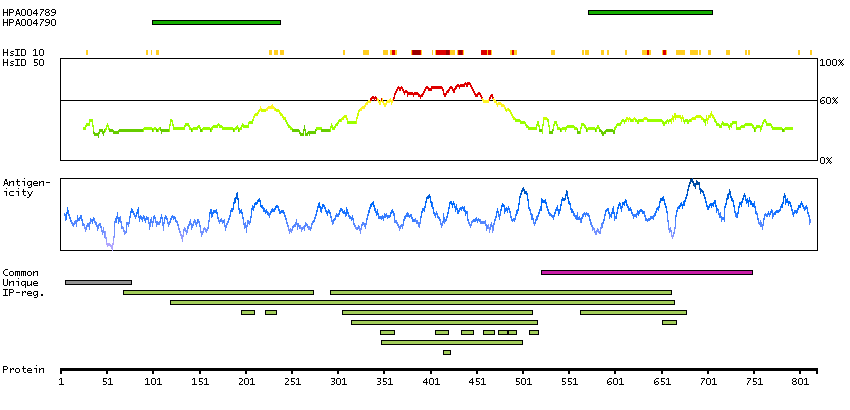
HPA004789 , HPA004790 , CAB002162
SHOW MORE

PROGNOSTIC SUMMARY

Prognostic marker in thyroid cancer (favourable), melanoma (unfavourable), liver cancer (unfavourable) and cervical cancer (favourable).
Thyroid cancer p<0.001
Melanoma p<0.001
Liver cancer p<0.001
Cervical cancer p<0.001
Show all

RNA EXPRESSION OVERVIEW

TCGA dataset
RNA cancer category: Expressed in all

PROTEIN EXPRESSION

Colorectal cancer
Breast cancer
Prostate cancer
Lung cancer

STAINING SUMMARY

HPA004789
HPA004790
CAB002162

Cancer

Cancer staining

Protein
expression of
normal tissue

Breast cancer
 
Carcinoid
 
Cervical cancer
 
 
Colorectal cancer
 
 
Endometrial cancer
 
 
Glioma
 
Head and neck cancer
 
 
Liver cancer
 
 
Lung cancer
 
 
Lymphoma


Cancer

Cancer staining

Protein
expression of
normal tissue

Melanoma
 
Ovarian cancer
 
Pancreatic cancer
 
Prostate cancer
 
Renal cancer
 
Skin cancer
 
Stomach cancer
 
 
Testis cancer
 
Thyroid cancer
 
Urothelial cancer
 

Staining summary

Malignant tissues generally displayed strong nuclear immunoreactivity in a fraction of the cells. Most positivity was observed in cervical and testicular cancers.

Cancer

Cancer staining

Protein
expression of
normal tissue

Breast cancer
 
Carcinoid
 
Cervical cancer
 
 
Colorectal cancer
 
 
Endometrial cancer
 
 
Glioma
 
Head and neck cancer
 
 
Liver cancer
 
 
Lung cancer
 
 
Lymphoma


Cancer

Cancer staining

Protein
expression of
normal tissue

Melanoma
 
Ovarian cancer
 
Pancreatic cancer
 
Prostate cancer
 
Renal cancer
 
Skin cancer
 
Stomach cancer
 
 
Testis cancer
 
Thyroid cancer
 
Urothelial cancer
 

Staining summary

Malignant cells generally displayed distinct nuclear staining in a fraction of the cells.

Cancer

Cancer staining

Protein
expression of
normal tissue

Breast cancer
 
Carcinoid
 
Cervical cancer
 
 
Colorectal cancer
 
 
Endometrial cancer
 
 
Glioma
 
Head and neck cancer
 
 
Liver cancer
 
 
Lung cancer
 
 
Lymphoma


Cancer

Cancer staining

Protein
expression of
normal tissue

Melanoma
 
Ovarian cancer
 
Pancreatic cancer
 
Prostate cancer
 
Renal cancer
 
Skin cancer
 
Stomach cancer
 
 
Testis cancer
 
Thyroid cancer
 
Urothelial cancer
 

Staining summary

Nuclear immunoreactivity of moderate intensity was observed in a fraction of malignant cells in lymphomas and in a few cervical and breast cancers.

GENE INFORMATION

Gene name

MCM3

Synonyms

Description

Minichromosome maintenance complex component 3 (HGNC Symbol)

Entrez gene summary

The protein encoded by this gene is one of the highly conserved mini-chromosome maintenance proteins (MCM) that are involved in the initiation of eukaryotic genome replication. The hexameric protein complex formed by MCM proteins is a key component of the pre-replication complex (pre_RC) and may be involved in the formation of replication forks and in the recruitment of other DNA replication related proteins. This protein is a subunit of the protein complex that consists of MCM2-7. It has been shown to interact directly with MCM5/CDC46. This protein also interacts with and is acetylated by MCM3AP, a chromatin-associated acetyltransferase. The acetylation of this protein inhibits the initiation of DNA replication and cell cycle progression. Two transcript variants encoding different isoforms have been found for this gene. [provided by RefSeq, Jul 2012]

Chromosome

6

Cytoband

p12.2

Chromosome location (bp)

52264009 - 52284881

Protein evidence

Evidence at protein level (all genes)

Ensembl

ENSG00000112118 (version 83.38)

Entrez gene

4172

UniProt

P25205 (UniProt - Evidence at protein level)

neXtProt

NX_P25205

Antibodypedia

MCM3 antibodies

PROTEIN BROWSER

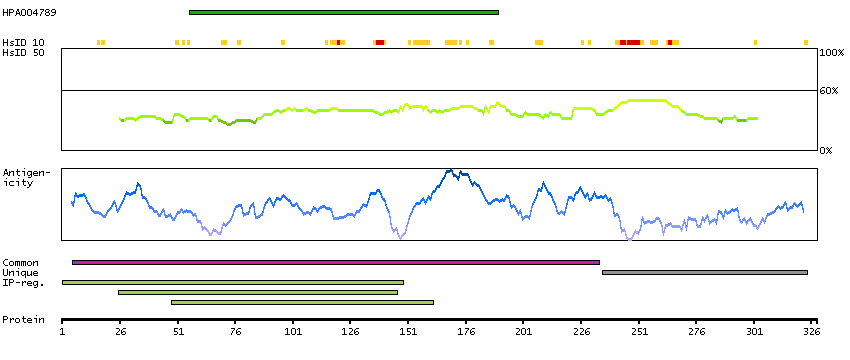
MCM3-001
MCM3-004
MCM3-006
MCM3-201
MCM3-202

PROTEIN INFORMATION

Splice variant

UniProt

Protein class

Gene ontology

Length & mass

Signal peptide
(predicted)

Transmembrane regions
(predicted)

MCM3-001
ENSP00000472940
ENST00000596288
P25205 [Direct mapping]
DNA replication licensing factor MCM3
Show all
Enzymes
   ENZYME proteins
   Hydrolases
Predicted intracellular proteins
Plasma proteins
Cancer-related genes
   Candidate cancer biomarkers
Protein evidence (Ezkurdia et al 2014)
Show all
GO:0000082 [G1/S transition of mitotic cell cycle]
GO:0000278 [mitotic cell cycle]
GO:0000784 [nuclear chromosome, telomeric region]
GO:0003677 [DNA binding]
GO:0003678 [DNA helicase activity]
GO:0005515 [protein binding]
GO:0005524 [ATP binding]
GO:0005634 [nucleus]
GO:0005654 [nucleoplasm]
GO:0005658 [alpha DNA polymerase:primase complex]
GO:0005813 [centrosome]
GO:0006260 [DNA replication]
GO:0006270 [DNA replication initiation]
GO:0006271 [DNA strand elongation involved in DNA replication]
GO:0016020 [membrane]
GO:0032508 [DNA duplex unwinding]
GO:0042555 [MCM complex]
GO:0043231 [intracellular membrane-bounded organelle]
GO:0048471 [perinuclear region of cytoplasm]
Show all
853 aa
95.9 kDa
No 0
MCM3-004
ENSP00000407651
ENST00000421471
Q7Z6P5 [Direct mapping]
DNA replication licensing factor MCM3
Show all
Predicted intracellular proteins
Protein evidence (Ezkurdia et al 2014)
Show all
GO:0003677 [DNA binding]
GO:0005524 [ATP binding]
GO:0005654 [nucleoplasm]
GO:0006260 [DNA replication]
GO:0043231 [intracellular membrane-bounded organelle]
Show all
328 aa
37.4 kDa
No 0
MCM3-006
ENSP00000229854
ENST00000229854
P25205 [Direct mapping]
DNA replication licensing factor MCM3
Show all
Enzymes
   ENZYME proteins
   Hydrolases
Predicted intracellular proteins
Plasma proteins
Cancer-related genes
   Candidate cancer biomarkers
Protein evidence (Ezkurdia et al 2014)
Show all
GO:0000082 [G1/S transition of mitotic cell cycle]
GO:0000278 [mitotic cell cycle]
GO:0000784 [nuclear chromosome, telomeric region]
GO:0003677 [DNA binding]
GO:0003678 [DNA helicase activity]
GO:0005515 [protein binding]
GO:0005524 [ATP binding]
GO:0005634 [nucleus]
GO:0005654 [nucleoplasm]
GO:0005658 [alpha DNA polymerase:primase complex]
GO:0005813 [centrosome]
GO:0006260 [DNA replication]
GO:0006270 [DNA replication initiation]
GO:0006271 [DNA strand elongation involved in DNA replication]
GO:0016020 [membrane]
GO:0032508 [DNA duplex unwinding]
GO:0042555 [MCM complex]
GO:0043231 [intracellular membrane-bounded organelle]
GO:0048471 [perinuclear region of cytoplasm]
Show all
808 aa
91 kDa
No 0
MCM3-201
ENSP00000388647
ENST00000419835
J3KQ69 [Direct mapping]
DNA replication licensing factor MCM3
Show all
Predicted intracellular proteins
Protein evidence (Ezkurdia et al 2014)
Show all
GO:0003677 [DNA binding]
GO:0003678 [DNA helicase activity]
GO:0005524 [ATP binding]
GO:0005654 [nucleoplasm]
GO:0005813 [centrosome]
GO:0006260 [DNA replication]
GO:0006270 [DNA replication initiation]
GO:0032508 [DNA duplex unwinding]
GO:0042555 [MCM complex]
GO:0043231 [intracellular membrane-bounded organelle]
Show all
818 aa
91.9 kDa
No 0
MCM3-202
ENSP00000480987
ENST00000616552
P25205 [Direct mapping]
DNA replication licensing factor MCM3
Show all
Enzymes
   ENZYME proteins
   Hydrolases
Predicted intracellular proteins
Plasma proteins
Cancer-related genes
   Candidate cancer biomarkers
Protein evidence (Ezkurdia et al 2014)
Show all
GO:0000082 [G1/S transition of mitotic cell cycle]
GO:0000278 [mitotic cell cycle]
GO:0000784 [nuclear chromosome, telomeric region]
GO:0003677 [DNA binding]
GO:0003678 [DNA helicase activity]
GO:0005515 [protein binding]
GO:0005524 [ATP binding]
GO:0005634 [nucleus]
GO:0005654 [nucleoplasm]
GO:0005658 [alpha DNA polymerase:primase complex]
GO:0005737 [cytoplasm]
GO:0005813 [centrosome]
GO:0006260 [DNA replication]
GO:0006270 [DNA replication initiation]
GO:0006271 [DNA strand elongation involved in DNA replication]
GO:0016020 [membrane]
GO:0032508 [DNA duplex unwinding]
GO:0042555 [MCM complex]
GO:0043231 [intracellular membrane-bounded organelle]
GO:0048471 [perinuclear region of cytoplasm]
Show all
853 aa
95.9 kDa
No 0

Contact

  • BLOG
  • PRESS ROOM
  • contact@proteinatlas.org

The Project

  • INTRODUCTION
  • ORGANIZATION
  • PUBLICATIONS
  • DOWNLOADABLE DATA

The Human Protein Atlas

  • ANTIBODY AVAILABILITY
  • LICENCE & CITATION
  • HELP & FAQ
The Human Protein Atlas project is funded
by the Knut & Alice Wallenberg foundation.